Planning
How To Plan A Relaxed Wedding Day Timeline
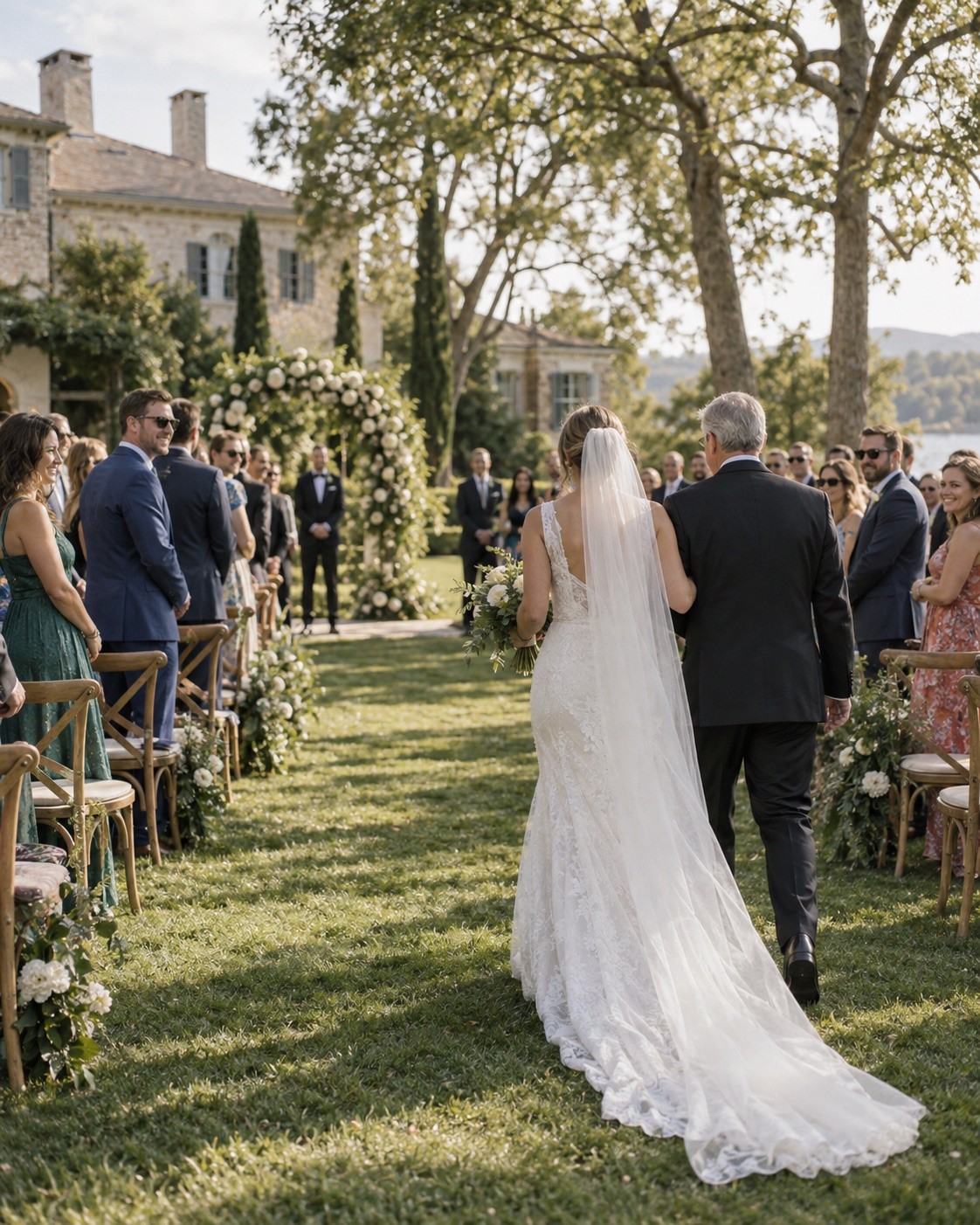
Thoughtful buffers and fewer transitions make a wedding day feel infinitely more spacious.
Begin with how you want the day to feel
Before choosing exact times, choose the feeling you want to protect. If you want a slow morning, dinner before sunset, or an uninterrupted cocktail hour with your guests, those priorities should shape the schedule from the beginning.
A relaxed timeline is not necessarily a long timeline. It is one that makes room for the moments you value and avoids filling every open minute simply because it is available.
Reduce unnecessary transitions
Every location change requires gathering people, packing belongings, navigating traffic, and settling into a new space. When possible, choose a getting-ready location near the ceremony or a venue that can host several parts of the day.
If travel is important to your plans, account for it generously. A realistic transition keeps everyone calm and prevents transportation delays from consuming portrait or cocktail-hour time.

Add buffers where they matter
Getting dressed, family portraits, and reception entrances commonly take longer than expected. Adding ten to fifteen minutes around these moments gives the timeline flexibility without making the day feel padded.
The best buffer often becomes meaningful photographic time. It might hold a private conversation with a parent, a quiet portrait in beautiful light, or five minutes alone together before the reception begins.
Let the timeline serve you
Your schedule is a support system, not a set of rules. A good creative team knows which times matter, which can shift, and how to adjust without bringing that pressure into your experience.
When your priorities are clear and the plan has room to breathe, you can stop thinking about what happens next. That presence makes a wedding feel joyful in the moment and honest in photographs.

← Back to journal