Weddings
Everything To Know About 8 Hour Wedding Photography Coverage

How to build a relaxed timeline that gives your story room to unfold naturally.
What eight hours can cover
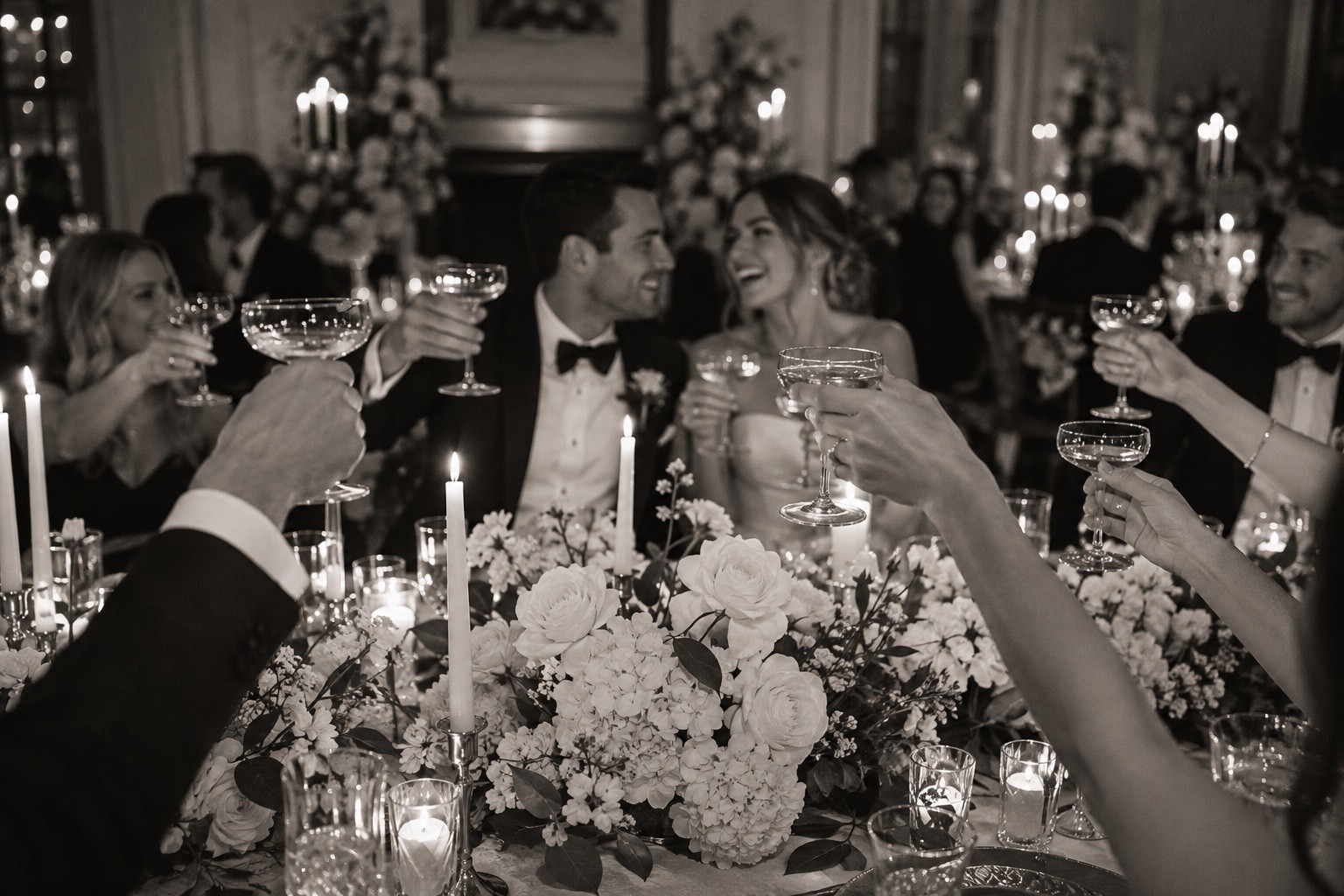
Eight hours is a beautiful fit for many wedding days. It can include the final part of getting ready, the ceremony, portraits, cocktail hour, dinner, and the opening portion of the dance floor. The key is deciding where your photographic story should begin and end.
For a wedding in one location, eight hours often feels spacious. If the day includes multiple venues or significant travel, we account for those transitions early so the timeline remains realistic.
Choose your priorities first
Before assigning times, decide which moments matter most. Some couples care deeply about quiet getting-ready photographs and family reactions. Others want more reception coverage, including late-night dancing and a final exit.
There is no universal correct schedule. Coverage should reflect the way you want to remember the day, not a checklist borrowed from someone else’s wedding.

Build in breathing room
A strong eight-hour timeline includes small buffers around travel, portraits, and entrances. Ten extra minutes can be the difference between a calm transition and a rushed one, especially when a dress takes longer to fasten or family members need help gathering.
Buffers are not wasted time. They create freedom to photograph unexpected emotion, changing light, and spontaneous interactions without making the rest of the day run late.
A sample flow
A typical day might begin two hours before the ceremony, leaving time for details, final preparations, and a first look. After the ceremony, we move through family photographs and portraits before joining cocktail hour and the reception.
If you are unsure whether eight hours is enough, start with your ceremony and reception schedule. From there, we can shape coverage around the moments you value and identify whether additional time would meaningfully improve the experience.
← Back to journal